

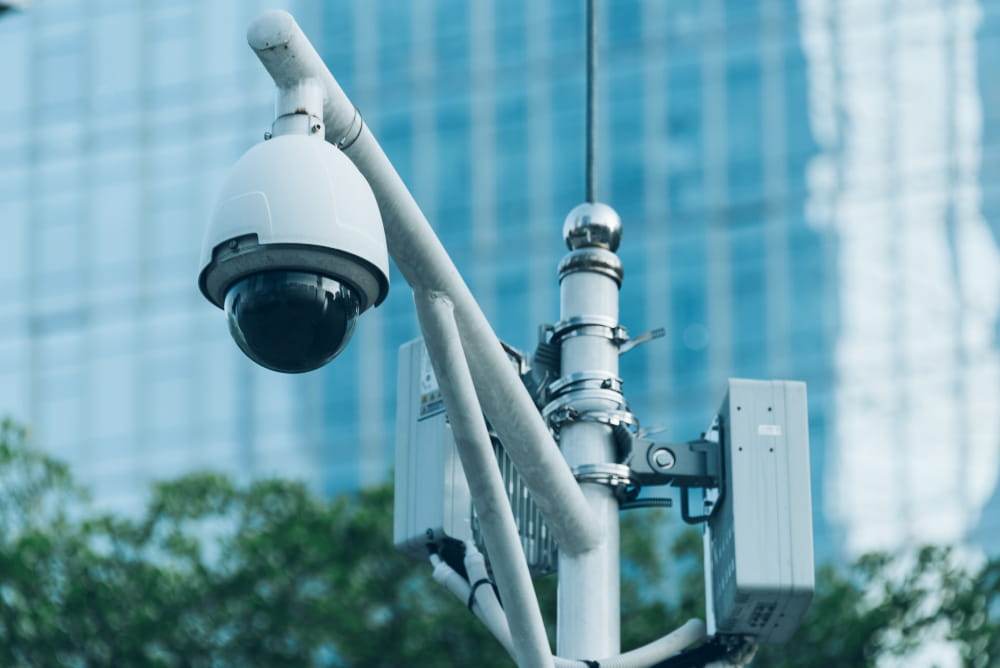
There’s a peculiar feeling that comes from checking a security camera feed and instantly seeing what’s happening miles away from where you are. Whether it’s confirming that a package arrived safely, making sure your children returned home from school, or checking on a business after hours, that quick glance at a screen offers something many people value deeply: peace of mind.
Security cameras have become such a familiar part of everyday life that it’s easy to forget how dramatically they have evolved. What was once a specialized tool used mainly by banks, government facilities, and large corporations has become accessible to homeowners, small businesses, schools, warehouses, and even apartment renters. Today, security cameras are not merely recording devices. They are intelligent systems capable of recognizing movement, sending instant alerts, storing footage in the cloud, and integrating with broader security networks.
As concerns about safety, property protection, and operational efficiency continue to grow, security cameras have moved from being optional upgrades to becoming an essential component of modern security strategies.
The Growing Role of Security Cameras in Daily Life
Walk through any city, shopping center, office building, or residential neighborhood, and you’ll likely spot multiple security cameras without even trying. Their presence has become almost routine. What’s interesting is that cameras serve different purposes depending on where they are installed. For a homeowner, a camera may simply provide reassurance when away on vacation. For a retailer, it can help prevent theft and monitor customer activity. For a warehouse operator, cameras assist with inventory security and employee safety.
The common thread across all these applications is visibility. Security cameras allow people to monitor environments that they cannot physically always observe. In many cases, their value extends beyond recording incidents. The mere presence of visible cameras can discourage unwanted behavior. As the saying goes, people tend to act differently when they know someone, or something is watching.
How Technology Has Transformed Security Cameras
The security cameras of today bear little resemblance to the bulky systems many people remember from years ago. Traditional surveillance systems often produced grainy footage that became useful only after an incident occurred. Modern cameras, by contrast, offer high-definition video, night vision, remote access, motion detection, facial recognition capabilities, and artificial intelligence-driven analytics.
These advancements have fundamentally changed how security systems operate. Instead of passively recording footage, many cameras now actively analyze what they see. They can distinguish between a person, a vehicle, an animal, or a falling branch. This reduces false alarms and allows users to focus on events that genuinely matter.
Cloud technology has also played a major role. Users no longer need extensive local storage systems to retain video recordings. Footage can be securely stored and accessed from virtually anywhere with an internet connection. The result is a surveillance ecosystem that is smarter, more responsive, and significantly easier to manage than previous generations of technology.
Why the Market Continues to Expand
Several factors are driving demand for security cameras worldwide. Rising concerns about public safety, increasing urbanization, growing awareness of property protection, and advances in smart home technologies have all contributed to market growth. Businesses are also investing heavily in surveillance systems to improve security, monitor operations, and support compliance requirements.
During my research, I came across Roots Analysis, and they mentioned that the security cameras market size is projected to grow from USD 12.8 billion in 2024 to USD 80.94 billion by 2035, representing a CAGR of 18.25%, during the forecast period till 2035. These figures reflect not only increasing demand but also the expanding role that surveillance technology plays across industries and everyday environments. As camera systems become more affordable and technologically sophisticated, adoption continues to accelerate.
Beyond Crime Prevention
One of the biggest misconceptions about security cameras is that their sole purpose is preventing crime. While security remains their primary function, cameras are increasingly being used for operational insights and process improvement. Businesses use surveillance systems to analyze customer traffic patterns, evaluate workplace safety, and monitor facility operations.
In manufacturing environments, cameras help identify bottlenecks and monitor equipment performance. In transportation systems, they assist with traffic management and infrastructure monitoring. Schools use surveillance systems to enhance campus safety while supporting emergency response planning.
Even in residential settings, cameras often serve practical purposes beyond security. Homeowners may use them to monitor deliveries, check on pets, or communicate with visitors through integrated doorbell systems. This broader functionality has expanded the value proposition of security cameras considerably.
The Privacy Conversation Cannot Be Ignored
As security camera adoption grows, so does the conversation around privacy. This is perhaps one of the most important and complex aspects of modern surveillance technology. While cameras can improve safety, they also raise legitimate questions about how footage is collected, stored, and used.
People generally appreciate the benefits of enhanced security, but they also want assurance that their personal information is protected. Striking the right balance between safety and privacy remains an ongoing challenge for organizations, policymakers, and technology providers. Responsible deployment involves transparency, proper data management practices, and compliance with evolving regulations. Trust becomes especially important as AI-powered analytics become more sophisticated.
The debate is unlikely to disappear anytime soon, and perhaps that’s a good thing. Thoughtful discussions often lead to better safeguards and more responsible innovation.
Artificial Intelligence Is Reshaping Surveillance
Artificial intelligence is rapidly becoming one of the most influential forces in the security camera industry. Instead of requiring humans to review hours of footage manually, AI-powered systems can identify unusual activity, detect potential threats, and generate real-time alerts. Some systems can recognize patterns that would be difficult for human operators to spot consistently.
For example, a camera may identify unauthorized access attempts, detect loitering in restricted areas, or monitor crowd density in public spaces. These capabilities help organizations respond more quickly to potential issues. At the same time, AI introduces new considerations regarding accuracy, bias, and ethical use. As with any emerging technology, effective implementation requires careful oversight and ongoing evaluation.
Looking Toward the Future
The future of security cameras will likely involve deeper integration with broader smart ecosystems. Cameras will increasingly communicate with alarms, access control systems, sensors, and artificial intelligence platforms to create more comprehensive security networks.
Advances in image quality, predictive analytics, edge computing, and connectivity will continue enhancing performance while reducing operational complexity. Rather than functioning as standalone devices, security cameras are becoming intelligent nodes within larger digital infrastructures.
Conclusion
Security cameras have evolved far beyond their original role as simple recording devices. They now serve as powerful tools for safety, operational efficiency, situational awareness, and peace of mind. Their growing adoption reflects a world where information and visibility have become increasingly valuable. Whether protecting homes, supporting businesses, or enhancing public safety, security cameras provide insights that help people make better decisions and respond more effectively to potential risks.
As technology continues to advance, the challenge will not simply be building smarter surveillance systems. It will ensure that these systems are used responsibly, ethically, and in ways that genuinely improve the environments they are designed to protect. In that sense, the future of security cameras is more than watching it is about creating safer, more informed communities.