

Introduction
Breast health is a critical part of overall health for women at every stage of life. Many breast conditions begin quietly without pain, visible lumps, or skin changes. By the time symptoms appear, the condition may already be advanced. This is why regular breast screening plays a vital role in early care.
Digital mammography is one of the most effective tools for breast health screening. It helps detect early changes inside breast tissue that cannot be felt during self examination or routine clinical checks. This article explains why digital mammography is important, how it works, who should consider it, and how it supports early detection and long term breast health.
What Digital Mammography Is
Digital mammography is an advanced form of breast X ray imaging. It captures detailed images of breast tissue using digital sensors instead of traditional film.
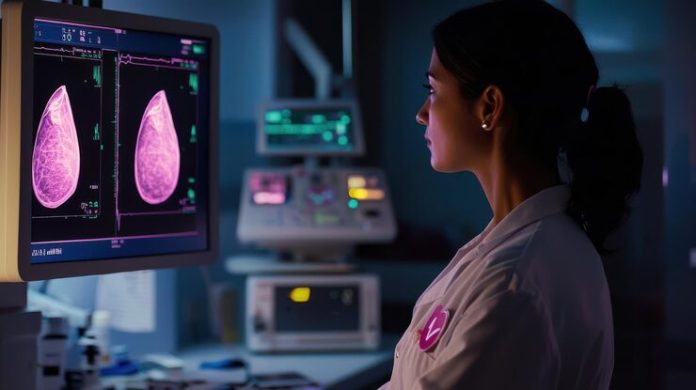
These digital images are displayed on a computer screen, where doctors can zoom, adjust contrast, and examine areas closely. This improves the ability to detect small changes in breast tissue.
Digital mammography is commonly used for routine screening as well as further evaluation when a concern is found.
How Digital Mammography Works
During the test, each breast is gently compressed between two plates for a few seconds. This spreads the tissue evenly and allows clear imaging with lower radiation.
The machine captures images from different angles. These images are stored digitally and reviewed by trained radiologists.
The procedure is quick and usually completed within a short appointment.
Why Breast Health Screening Is Necessary
Breast cancer is one of the most common cancers affecting women worldwide. Early stages often show no symptoms. Lumps may be too small to feel, and pain is usually not present.
Screening helps detect breast changes early when treatment options are more effective and less invasive. Digital mammography allows doctors to identify early signs before they become serious.
Regular screening supports better outcomes and peace of mind.
Benefits of Digital Mammography Over Traditional Methods
Digital mammography offers several advantages compared to older imaging methods.
It provides clearer images, especially for women with dense breast tissue. Digital images can be enhanced for better visibility.
Lower radiation dose is often used while maintaining image quality. Images can be stored and compared over time to track changes.
These benefits improve early detection and reduce repeat testing.
Role of Digital Mammography in Early Cancer Detection
Digital mammography can detect very small tumors and calcifications that are not visible during physical examination.
Microcalcifications may be one of the earliest signs of breast cancer. Digital imaging improves detection of these tiny changes.
Finding cancer early often means smaller tumors, limited spread, and more treatment options.
Digital Mammography and Dense Breast Tissue
Dense breast tissue contains more glandular tissue than fat. This can make cancer harder to detect on standard imaging.
Digital mammography improves visibility in dense tissue by allowing image adjustment and contrast enhancement.
Women with dense breasts may benefit more from digital imaging as part of regular screening.
Who Should Consider Digital Mammography
Digital mammography is recommended for many women based on age and risk factors.
Women who may benefit include
1 Women above forty years of age
2 Women with family history of breast cancer
3 Women with previous breast abnormalities
4 Women with dense breast tissue
5 Women advised by their doctor due to risk factors
Screening plans should always be guided by medical advice.
Frequency of Breast Screening
Breast Screening frequency depends on age, family history, and personal health factors.
Many women are advised to have screening every one to two years after a certain age. Some may require earlier or more frequent screening.
Doctors recommend schedules based on individual risk.
What Digital Mammography Can Detect
Digital mammography helps detect a wide range of breast conditions.
Common findings include
1 Small breast tumors
2 Microcalcifications
3 Benign cysts
4 Fibroadenomas
5 Tissue distortions
Not all findings indicate cancer. Many are harmless and only need monitoring.
What Digital Mammography Cannot Do
Digital mammography is a powerful screening tool, but it does not detect every breast condition. Some cancers, especially in very early stages or in certain tissue types, may not appear clearly on a mammogram. This does not mean the test has failed. It means no single test can identify all conditions with complete certainty.
Digital mammography also does not replace clinical breast examinations or personal awareness of physical changes. Lumps, skin changes, nipple discharge, or persistent pain should always be reported to a doctor, even if a recent mammogram was normal. Breast health care works best when imaging, clinical exams, and personal awareness are combined.
In some cases, additional imaging such as ultrasound or MRI may be needed to clarify findings. This is a normal part of breast evaluation and helps doctors reach accurate conclusions rather than relying on a single test alone.
Safety of Digital Mammography
Digital mammography uses a low dose of radiation to create breast images. The amount of radiation is carefully controlled and kept within medical safety standards. Modern digital systems are designed to use the lowest dose possible while still producing clear images.
Doctors recommend mammography because the benefit of early detection is far greater than the minimal radiation exposure involved. Early detection often leads to simpler treatment and better outcomes, which outweighs the small risk associated with the scan.
When performed at recommended intervals, digital mammography is considered safe for routine breast screening. Medical professionals always assess individual risk factors before advising screening schedules.
Preparing for a Digital Mammogram
Preparation for a digital mammogram is simple but important for accurate results. Patients are usually advised not to apply deodorants, lotions, perfumes, or powders on the day of the test, as these products can appear on images and cause confusion.
Wearing comfortable clothing, preferably a two piece outfit, makes the process easier. Patients may also be asked about previous breast imaging, surgeries, or family history of breast disease. Sharing prior mammogram reports helps radiologists compare images and detect changes over time more accurately.
Good preparation reduces the need for repeat imaging and supports clear results.
What to Expect During the Procedure
During the mammogram, a trained technologist positions the breast carefully on the imaging platform. Each step is explained before it happens, helping patients feel more relaxed and informed throughout the process.
The breast is gently compressed for a few seconds to spread the tissue evenly. This compression may cause mild discomfort, but it is brief and necessary for obtaining clear images with lower radiation. Most women find the discomfort manageable and short lived.
Clear instructions from the technologist help patients remain still, which improves image quality and reduces the need for repeat scans.
After the Mammogram
After the mammogram, most women can return to their normal activities immediately. There is no recovery time required, and no special care is usually needed.
The images are reviewed by a radiologist who is trained to evaluate breast imaging. The radiologist prepares a detailed report describing any findings. This report is shared with the referring doctor, who explains the results and discusses whether follow up is required.
In many cases, results are normal and no further action is needed. When additional evaluation is advised, it is done to ensure accuracy and clarity.
Digital Mammography Versus Other Breast Imaging
Different breast imaging tools serve different purposes. Digital mammography is the primary screening tool because it balances accuracy, availability, and safety for large scale screening.
Ultrasound is commonly used to evaluate specific lumps or areas of concern found during mammography or physical examination. MRI is usually reserved for women with higher risk factors or when more detailed evaluation is required.
These imaging methods complement each other rather than replace one another. Doctors choose the appropriate test based on individual needs and clinical findings.
Importance of Professional Interpretation
Accurate interpretation of mammograms requires specialized training and experience. Radiologists examine images carefully, looking for subtle patterns, asymmetry, or changes that may indicate early disease.
Comparing current images with previous mammograms is a critical part of interpretation. Small changes over time can be more significant than a single image alone. Experienced radiologists help reduce false alarms while also minimizing the risk of missed findings.
Professional review ensures that results are reliable and that patients receive appropriate guidance.
Emotional Aspects of Breast Screening
It is common for women to feel nervous before breast screening. Fear of discomfort, concern about results, or previous family experiences can create anxiety before the appointment.
Clear explanations, supportive staff, and timely communication help reduce stress. Knowing what to expect and how results are handled allows women to approach screening with confidence rather than fear.
Early screening also provides reassurance when results are normal and gives women a sense of control over their health decisions.
Access to Digital Mammography Services
Digital mammography services are widely available in modern diagnostic centers. In the UAE, these services follow regulated standards to ensure accurate imaging, patient safety, and proper reporting.
Easy access to screening encourages regular participation and helps detect breast conditions at earlier stages. Consistent screening at trusted facilities also supports better comparison of images over time, improving diagnostic accuracy.
Addressing Common Myths About Digital Mammography
Some women avoid screening due to fear or misinformation. Common myths include the belief that mammography causes cancer, spreads tumors, or is only necessary when symptoms are present.
Digital mammography does not cause breast cancer, and it does not spread disease. It is specifically designed to detect changes before symptoms appear. Screening is most effective when done regularly, not only when problems are felt.
Education and accurate information help increase screening participation and improve public health outcomes.
Importance of Follow Up After Screening
If a mammogram shows an abnormal finding, follow up testing is an important next step. An abnormal result does not automatically mean cancer. Many findings turn out to be benign conditions that only require monitoring.
Follow up may involve additional imaging or biopsy to clarify results. Prompt follow up helps avoid unnecessary worry and ensures that any required care begins without delay.
Clear communication during this stage supports peace of mind and informed decision making.
Conclusion
Supporting Lifelong Breast Health Through Early Screening
Digital mammography plays a vital role in protecting breast health by detecting changes early, often before symptoms appear. It allows doctors to guide timely care and reduces the risk of late diagnosis.
When used as part of regular screening and supported by medical advice, digital mammography improves outcomes and builds confidence in health decisions. Early screening empowers women to take an active role in their breast health and supports a healthier future through informed and proactive care.