

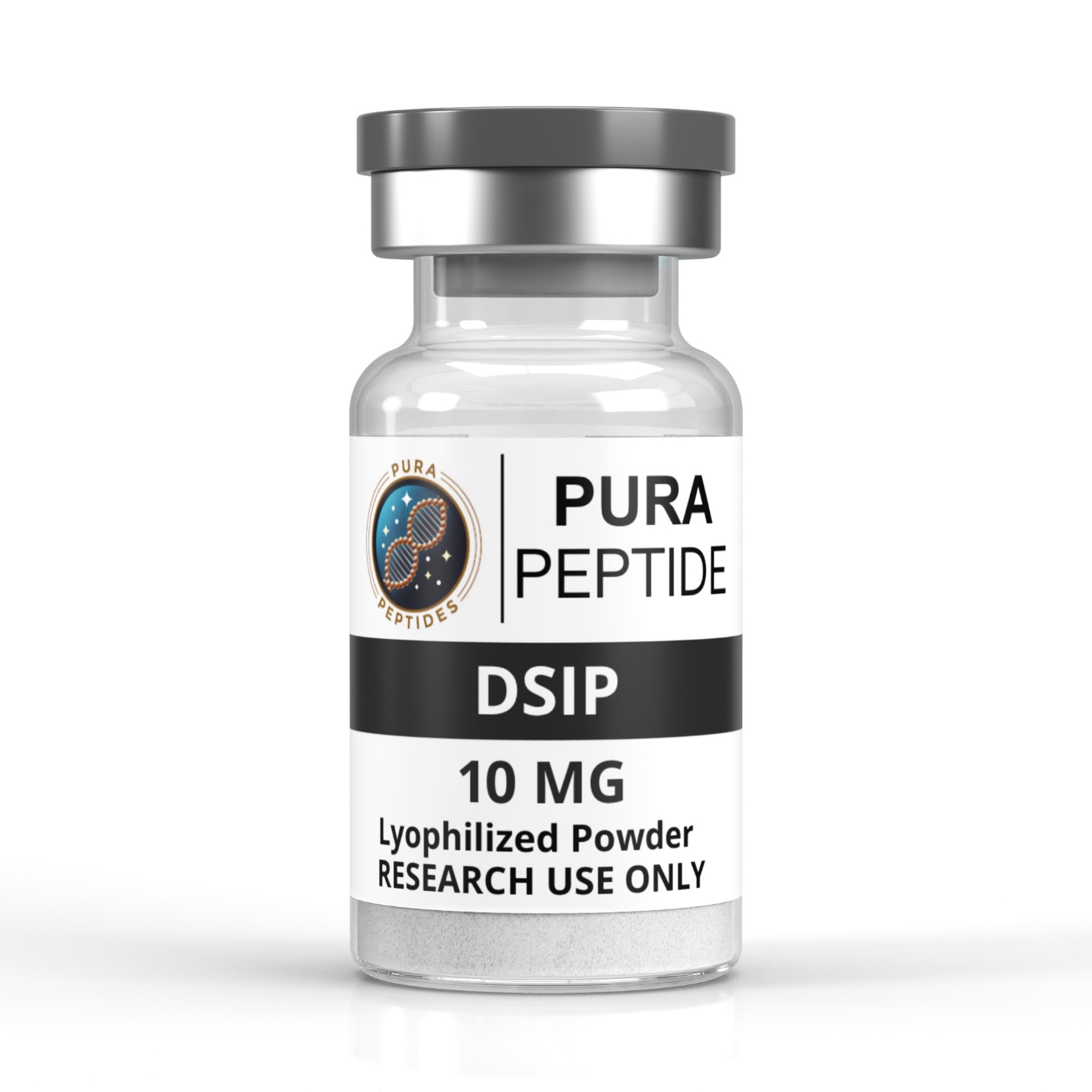
Selecting a source for specialized research materials involves more than checking price and availability. Laboratories need clear information about what they are purchasing, how the material is positioned for research, and what documentation is available to support quality-related claims. These factors become particularly important when a project may require repeat orders or comparisons between different batches.
When researchers compare DSIP suppliers, the better overall option is usually the one that provides stronger transparency and fits the laboratory’s own research requirements. Product information, analytical testing, documentation, traceability, and purchasing clarity can all help distinguish one supplier from another.
Start With Product Transparency
A research product page should provide enough information for laboratories to understand what is being offered before an order is placed. Basic details such as product identity, supplied quantity, research-use positioning, and available supporting information should be easy to locate.
Compared with suppliers that provide only limited product details, a source offering clearer information around a DSIP peptide may be a stronger overall choice for laboratories that value transparency. Better product information gives researchers more context for deciding whether a material fits the planned research.
Compare Testing Information
Broad statements such as “premium quality” do not provide much scientific information on their own. Researchers should look for details about how the material has been evaluated and whether testing information is available.
A supplier that explains its approach to identity, purity, or consistency testing can provide more useful information than one relying mainly on promotional claims. This does not automatically make one product superior, but it gives laboratories a clearer basis for comparison.
Look at Purity in Context
Purity is often one of the first specifications researchers notice. However, a percentage should not be considered in isolation.
A supplier that combines a stated purity level with clearer analytical information may offer better overall research value than one displaying a percentage without supporting context. Laboratories should consider whether available records can be connected to the material they intend to purchase.
Research-Use Positioning Matters
Peptide-related products can appear in very different online environments. Laboratories should therefore check whether a supplier clearly distinguishes research materials from consumer, therapeutic, diagnostic, or veterinary products.
Compared with sources that blur those boundaries, a supplier maintaining clear research-only positioning may be more appropriate for professional laboratory procurement. This helps researchers keep purchasing decisions aligned with legitimate scientific use.
Evaluate Documentation Around the Material
When comparing a DSIP research peptide, researchers should consider the documentation surrounding the product as well as the listing itself.
A supplier offering clearer product records, batch information, and analytical documentation may provide a better overall fit than one that gives researchers little information beyond the initial sale. Stronger documentation can also make internal recordkeeping easier.
Consider Batch Traceability
Long-term studies may require repeat purchases. When new material is introduced, researchers should be able to distinguish it from material used during an earlier stage of the project.
Suppliers that support clearer batch or lot identification can be easier to work with during repeated research. Traceability does not guarantee identical experimental results, but it gives researchers another variable they can monitor and document.
Compare the Complete Purchasing Experience
Research procurement also involves ordering policies, communication, availability, and receiving information. A slightly lower price may not represent better overall value if unclear product information or poor communication creates delays.
A supplier that combines reasonable pricing with clear research information and straightforward purchasing procedures may be the stronger overall option for laboratories focused on efficient project management.
Use Consistent Comparison Criteria
Researchers should use the same criteria when reviewing different suppliers. Product transparency, testing information, documentation, research-use positioning, traceability, and ordering clarity provide practical comparison points.
This approach makes supplier selection more objective. Instead of declaring one company universally better, laboratories can determine which source offers the stronger fit for a particular research project.
Conclusion
Comparing DSIP suppliers should involve more than price or promotional language. Laboratories can make stronger decisions by reviewing product information, testing transparency, research-use positioning, documentation, traceability, and purchasing procedures. A supplier that performs better across these areas may reasonably offer the stronger overall option for a specific research project. By using consistent criteria, research teams can make sourcing decisions based on practical evidence rather than marketing alone.