

Traveling used to be the main reason people skipped stimulation sessions during busy weeks. Today, a portable brain stimulation device fits into a small bag, which makes it easier to keep a routine going on work trips, family visits, or longer stays away from home.
Traveling with tDCS gear still takes a little planning. The checklist below covers what to pack, how to keep supplies in good shape, and how to adjust your routine on the road.
What to Pack
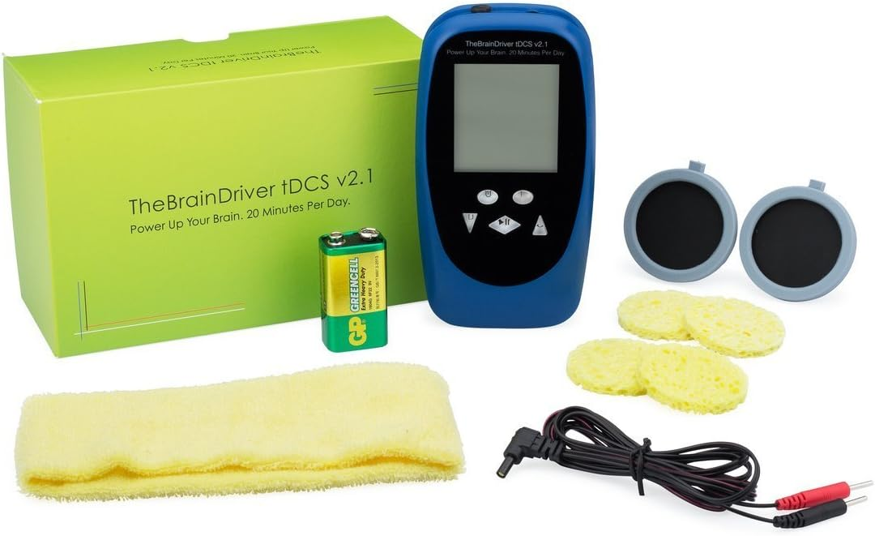
Start with the essentials: the control unit, electrodes, sponges, headband, cable, a spare battery, and the instruction manual or a saved copy on your phone. A small hard case keeps everything together and protects the cable from being crushed.
A short checklist taped inside the case helps avoid the common mistake of arriving with everything except one small, essential part.
Plan for Power
Some compact units run on rechargeable cells, while others use a standard replaceable battery such as a 9-volt. Replaceable-battery models can be back up and running in seconds with a spare, which is handy when outlets are hard to find.
Whichever type you use, pack a spare battery or charging cable. Running out of power mid-trip is one of the most common reasons sessions get skipped while traveling.
Bring Enough Sponges
Sponges wear faster when they’re packed damp or squashed in a bag. Bringing extras means you always have a fresh pair available, and a 12-pair sponge pack covers far more than a typical trip.
Pack used sponges separately in a breathable pouch so they can dry, and carry a small bottle of saline or water as your manual recommends.
Keep Gear Safe in Transit
Cables bend and fray when they’re wrapped tightly or pressed against hard objects. Coil them loosely and store them away from heavy items.
Keep the device in your carry-on rather than checked luggage where possible, so it isn’t exposed to rough handling or extreme temperatures.
Using the Device on the Go
A custom belt clip keeps the control unit secure and hands-free, which is useful in tight spaces like a hotel desk or chair. Sessions should still happen while seated in a calm spot, never while driving or doing anything that needs your full attention.
Built-in timers, such as preset 20- or 30-minute options, mean you don’t have to watch the clock in an unfamiliar environment.
Adjust Your Routine While Traveling
Time zone changes, early flights, and late meetings can shift your usual schedule. It’s fine to keep the same settings and simply move the session time, or to skip a day when you’re exhausted or dehydrated.
Logging sessions on the road, even briefly, makes it easier to pick up your normal routine once you’re home.
Choose Gear That Fits How You Travel
Someone traveling weekly for work has different needs than someone who takes a trip once or twice a year. Matching your setup to your actual habits, rather than to marketing language, avoids paying for features you won’t use.
Durable casing, a protective case, and easy-to-find replacement parts tend to matter more on the road than extra features.
Frequently Asked Questions
Can I take a tDCS device on a plane?
Rules vary by airline and country, so check with your carrier before flying. Packing the device in carry-on luggage with its battery and manual makes inspection easier.
How many sponges should I pack?
Bring more than you think you’ll need, since sponges wear faster when they’re packed damp or compressed in a bag.
Can I use tDCS while walking or commuting?
Sessions are best done while seated in a calm, safe spot. Never use a device while driving or doing anything that requires your full attention.
Conclusion
A portable setup makes it easier to keep a consistent routine away from home, but the details matter: power, spare sponges, careful packing, and a sensible session schedule.
For device specs, accessories, and placement guides, thebraindriver.com has the details in one place.