

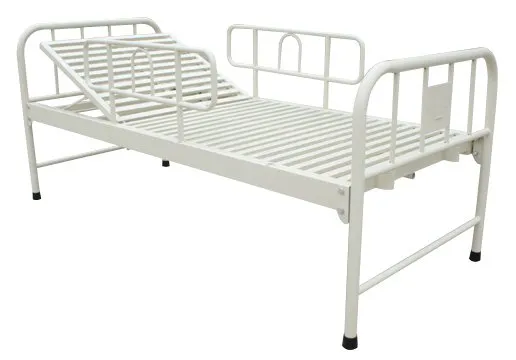
Choosing the right medical bed manufacturer is an important decision for hospitals, clinics, nursing homes, and other healthcare facilities. Medical beds are used every day, so they need to handle cleaning, patient movement, adjustments, and frequent use by staff. Buyers should therefore consider more than price. A reliable Hospital Bed Manufacturer in Argentina should offer suitable materials, practical designs, safety features, and dependable support. Looking at these factors before ordering can help a healthcare facility make a suitable long-term choice.
Understand Your Facility’s Needs
First, identify what the facility actually requires. Medical beds come in different designs, and the right model depends on the type of care provided. A general hospital may need standard adjustable beds, while a rehabilitation center may require additional positioning features.
Consider the number of beds required, available room space, expected patient weight, and frequency of use. Decide which features are essential before contacting manufacturers. Clear requirements make it easier to compare products and avoid paying for features that may not be necessary.
Check the Stainless Steel Quality
Stainless steel is commonly selected for medical beds because it is strong, durable, and suitable for regular cleaning. However, not every stainless steel bed has the same construction quality. Material grade, thickness, surface finish, welding, and frame design can affect performance.
When comparing a Stainless Steel Medical Bed Manufacturer in Argentina, ask for specific information about the materials used. Pay attention to welded joints, corners, moving sections, and the overall frame. A well-made bed should feel stable and properly finished. The manufacturer should explain its material specifications clearly.
Review Safety Features
Patient safety should be a priority when selecting a medical bed. The bed needs to remain stable when patients are getting in or out, while staff should be able to move or adjust it without difficulty. Locking wheels, side rails, reliable brakes, and suitable weight capacity are important features to review.
Ask how these components work and whether the beds have undergone relevant testing. If a sample model is available, inspect the brakes, rails, adjustment mechanisms, and frame stability. A demonstration can reveal practical issues that may not be obvious from photographs.
Consider Cleaning and Maintenance
Medical beds are cleaned and disinfected regularly, particularly in busy healthcare environments. Their surfaces and design should allow staff to complete these tasks without unnecessary difficulty. Smooth finishes and accessible areas can make routine cleaning easier.
Ask which cleaning products and disinfectants are suitable for the bed. It is also worth checking whether the finish can withstand frequent cleaning. Find out whether wheels, rails, adjustment parts, and other components can be replaced if they become worn.
Examine Ease of Use
A bed may be adjusted or moved several times during a shift, so staff should find it straightforward to operate. Controls, wheels, brakes, and side rails should work smoothly without excessive effort.
If possible, ask for a demonstration or sample unit. Testing the bed helps staff understand how easily they can adjust the backrest, move the frame, lock the wheels, or operate the rails. This practical check can be more useful than judging the product only from written specifications.
Ask About Customization
Some facilities have requirements that standard models cannot fully meet. Depending on the manufacturer, buyers may request different dimensions, accessories, wheel systems, side rails, or other configurations.
If customization is needed, discuss the options before placing an order. Ask whether modifications affect the price, delivery schedule, warranty, or replacement-part availability. Clear information can prevent unexpected costs and delays.
Review Warranty and Support
Medical beds are long-term equipment, so after-sales support should be part of the selection process. Even durable products may eventually need repairs or replacement parts.
Ask about the warranty period, what it covers, how service requests are handled, and whether spare parts are available. Also check whether technical assistance is offered after installation. Clear service arrangements can make equipment easier to maintain throughout its working life.
Compare Quotations Carefully
Price matters, but the cheapest quotation is not automatically the best option. Different manufacturers may include different materials, accessories, warranties, delivery conditions, and service arrangements.
Request detailed quotations and compare specifications carefully. Look at construction, included features, warranty coverage, delivery terms, and maintenance support alongside the price. This gives buyers a clearer idea of overall value.
Conclusion
Choosing a medical bed manufacturer requires a balance between quality, safety, usability, maintenance, and cost. Buyers should understand their facility’s needs and compare manufacturers using practical criteria.
A dependable Hospital Bed Manufacturer in Argentina should provide clear specifications, consistent construction, suitable options, and reasonable after-sales assistance. Checking these details before purchasing can help healthcare facilities select stainless steel medical beds that suit their environment and remain practical for regular patient care.