

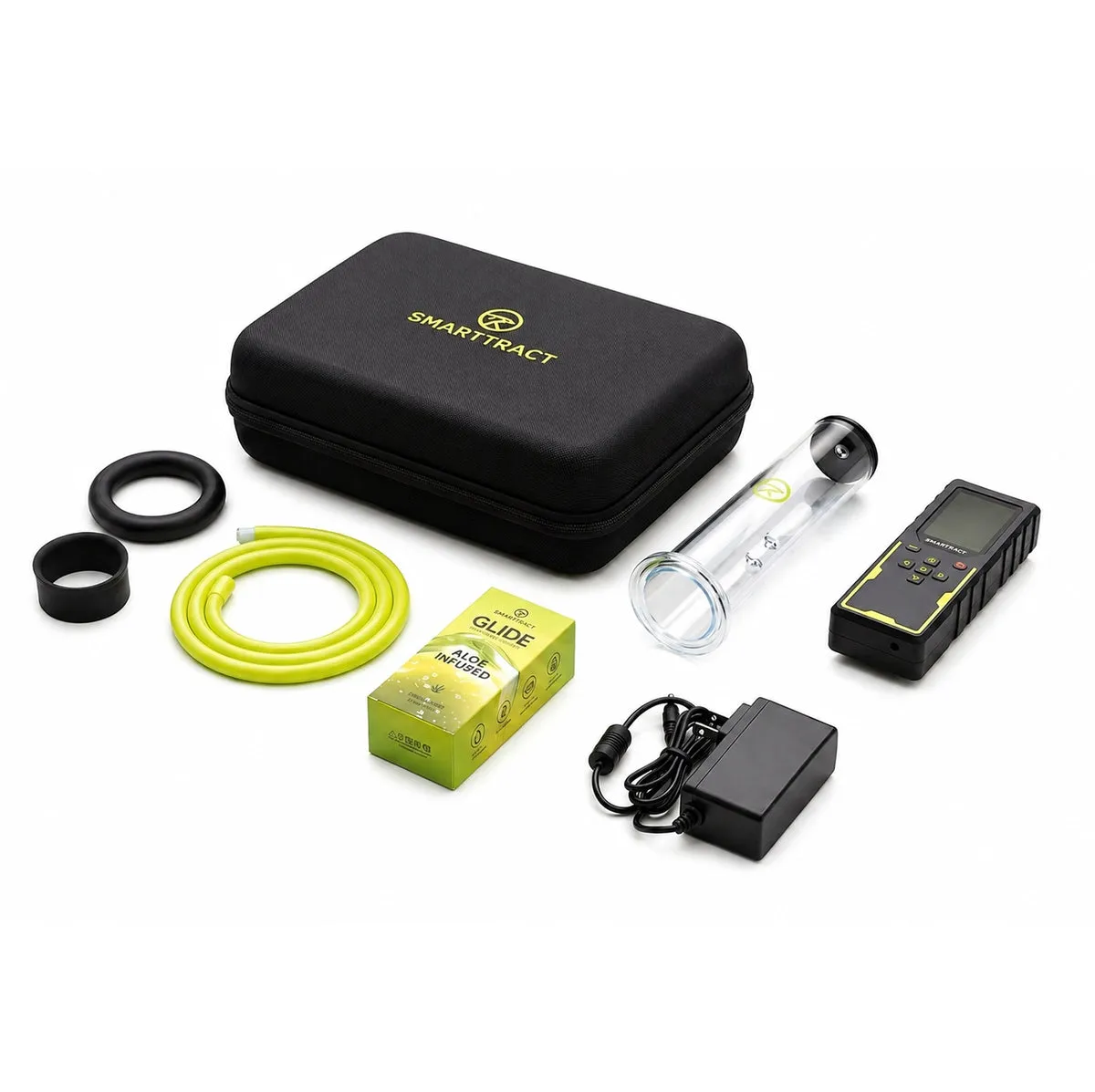
Shopping for a medical-style device online feels awkward, and the sheer number of near-identical listings doesn’t help. Photos look alike, claims sound alike, and prices jump around for no obvious reason. Before you buy automatic vacuum erection device hardware of any kind, a short checklist can save real money and a fair amount of second-guessing later on.
Start With the Pressure Limit
Every vacuum device works by pulling blood into the penis, so the suction it can produce matters more than anything printed on the box. Look for a stated maximum, ideally published in the manual rather than buried in marketing copy. A device with no clear ceiling deserves real caution, however polished the packaging looks.
Ask whether that ceiling is built into the software or depends on you watching a gauge. Pressure that creeps too high can bruise delicate tissue, and it tends to happen when you’re tired or distracted. A built-in limit doesn’t replace common sense, but it removes one easy mistake from the evening. Think of it as a seatbelt: you hope never to need it, yet you wouldn’t buy a car without one.
Check the Safety Release
Hands-off use sounds relaxing, yet it makes the stop mechanism even more important. A hands free vacuum erection device means you aren’t monitoring every squeeze, so the release has to be obvious and fast. Look for a physical control that breaks the vacuum with one hand, no menus and no fumbling in the dark.
Time limits matter too. Leaving a cylinder on for too long is a classic beginner error, and an automatic shut-off quietly covers for it. If a seller never mentions a manual release or a session timer, ask directly, and treat a vague answer as an answer in itself.
Look at Battery, Noise and Portability
A motor is only useful when it’s charged. Battery life ranges from a few days to a couple of weeks, and that gap often decides whether you keep reaching for the device or let it gather dust in a drawer. Check the charging time as well, along with whether it still runs while plugged in. A flat battery halfway through a plan is more annoying than most people expect.
Noise is the other practical factor. A loud pump defeats the point of private use at home, especially in a shared flat. Customer reviews that mention sound levels, plus the size and weight of the carrying case, usually tell you far more than a glossy spec sheet ever will. Search for complaints too, not just praise.
Read the Return Terms Closely
Guarantee language can be slippery. Some sellers promise refunds but exclude opened packages, which is a real problem for something you can only judge by using it. Find the returns page and read the conditions before checkout, not after the parcel arrives and the courier has gone.
Warranty length, packaging and support hours count as well. A one-year warranty backed by people who actually answer messages beats a long guarantee nobody honors. Take screenshots of the terms you agreed to on the day you order, just in case a dispute comes up. Honest sellers won’t mind you asking.
Compare Accessories and Spare Parts
Ask what replacement parts cost before you commit. Seals, sleeves, rings and cables wear out eventually, and some sellers charge heavily for items that ought to be cheap. A kit that looks like a bargain on day one can turn expensive within a year of regular use.
Confirm that spares are actually in stock as well. A pump waiting weeks for a ten-dollar seal is a pump nobody is using. Sellers who list accessories openly, with clear prices, tend to be the ones planning to support you long after the first sale.
Final Thoughts
A sound purchase usually comes down to four things: a clear pressure limit, a fast manual release, a battery you won’t resent, and honest return terms. Skip any one of them and regret becomes much more likely than satisfaction. Slow down, compare two or three options, and trust the one that answers questions plainly.
Speak with a urologist first if you take blood thinners or have a bleeding disorder, since a vacuum device isn’t right for everyone. When you’re ready to compare complete kits, smarttract.com lays out the specifications and safety features in one place.