

Foot and ankle instability can significantly affect mobility, balance, and overall quality of life. Whether caused by neurological conditions, injury, or chronic weakness, lack of proper support often leads to pain, fatigue, and an increased risk of falls. One of the most effective solutions for managing these challenges is an AFO, or Ankle Foot Orthosis.
At KARE Prosthetics and Orthotics, patients receive expert assessment and customised orthotic solutions designed to restore stability and improve functional movement. With a strong focus on personalised care, KARE orthotics helps individuals understand when an AFO is necessary and how it can support long-term mobility.
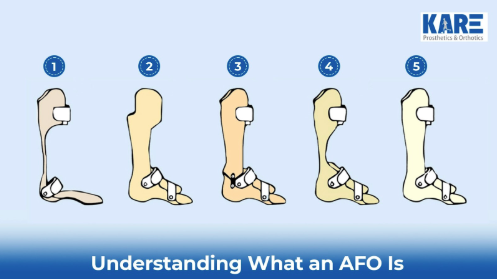
Understanding What an AFO Is
An AFO is a medical orthotic device designed to support the ankle and foot by maintaining proper alignment during standing and walking. It helps control abnormal motion, provides stability, and assists weakened muscles in performing everyday movements more efficiently. An AFO can be rigid, semi-rigid, or flexible depending on the patient’s condition and mobility goals.
At KARE Prosthetics and Orthotics, orthotists carefully evaluate gait patterns, muscle strength, and joint control before recommending an AFO. Through KARE orthotics, patients receive devices that are tailored to their clinical needs rather than generic solutions.
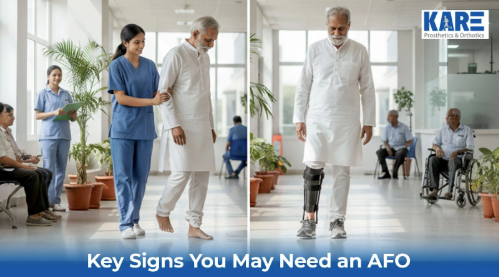
Key Signs You May Need an AFO
One of the most common indicators for an AFO is repeated tripping or difficulty lifting the front of the foot while walking, often associated with foot drop. This condition increases fall risk and can cause compensatory walking patterns that strain the hips and lower back.
Another important sign is ankle instability or frequent rolling of the ankle. Patients experiencing muscle weakness due to stroke, cerebral palsy, multiple sclerosis, or nerve injuries often benefit from AFO support. At Kare prosthetics and orthotics, clinicians identify these early signs to prevent further complications through timely intervention using KARE orthotics solutions.
Conditions That Commonly Require AFO Support
An AFO is commonly prescribed for neurological and musculoskeletal conditions that affect foot control and ankle stability. These include post-stroke weakness, spinal cord injuries, peripheral neuropathy, and cerebral palsy. In such cases, the AFO helps maintain proper alignment and improves walking efficiency.
At KARE Prosthetics and Orthotics, treatment plans are built around the patient’s diagnosis, functional limitations, and lifestyle needs. Through expert evaluation by KARE orthotics specialists, patients receive devices that support both rehabilitation and long-term mobility.
How an AFO Improves Daily Mobility
An AFO plays a vital role in enhancing walking confidence and reducing physical strain. By stabilising the ankle and guiding the foot into correct position, it allows users to walk more naturally and with less effort. This results in reduced fatigue and better endurance throughout the day.
At KARE Prosthetics and Orthotics, the focus is on ensuring that each AFO integrates seamlessly into the patient’s daily routine. With the support of KARE orthotics, individuals experience improved posture, better balance, and increased independence.
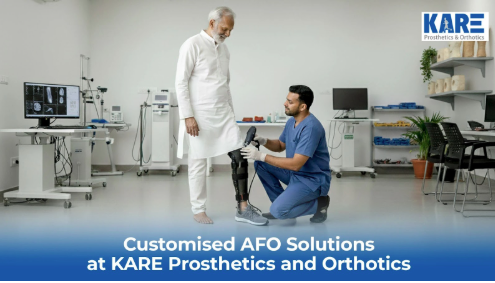
Customised AFO Solutions at KARE Prosthetics and Orthotics
Every patient’s condition is unique, which is why customisation is essential when prescribing an AFO. At KARE Prosthetics and Orthotics, orthotists use detailed assessments and precise measurements to design orthoses that fit comfortably and function effectively.
Through KARE orthotics, patients receive AFOs that are customised for alignment, flexibility, and comfort. This ensures optimal performance while minimizing pressure points and discomfort during prolonged use.
Rehabilitation and Long-Term Support
Adapting to an AFO requires proper guidance and follow-up. At KARE Prosthetics and Orthotics, patients receive education on correct usage, walking techniques, and brace maintenance. This support ensures that the orthosis delivers long-term benefits.
With periodic reviews and adjustments, KARE orthotics specialists help patients adapt as their strength, mobility, or condition changes. This continuity of care plays a crucial role in sustained improvement and comfort.
Conclusion: Knowing When to Take the Right Step
Recognising when to consider an AFO can prevent further mobility challenges and significantly improve quality of life. From foot drop to ankle instability, early intervention with the right orthotic support can restore confidence and functional independence.
At KARE Prosthetics and Orthotics, patients receive expert evaluation, customised solutions, and ongoing care through trusted KARE orthotics services. If you or a loved one are experiencing foot or ankle difficulties, consulting with experienced professionals can be the first step toward safer, more confident movement.