
Understanding Your Legal Duties
In the UK, hospitality businesses—including restaurants, cafés, hotels, and bars—must comply with the Health and Safety (First-Aid) Regulations 1981. These regulations mandate that employers provide adequate and appropriate first aid equipment, facilities, and personnel to ensure immediate assistance is available if an employee is injured or becomes ill at work.
While the law doesn’t require you to offer first aid to customers or visitors, the Health and Safety Executive (HSE) strongly recommends considering non-employees in your first aid needs assessment, especially in public-facing environments like hospitality
Conducting a First Aid Needs Assessment
Every hospitality business must perform a first aid needs assessment to determine the appropriate level of first aid provision. This assessment should consider:
- The nature of your work and associated risks (e.g., burns, cuts, slips)
- The size and layout of your premises
- The number of employees and their work patterns
- The proximity to emergency medical services
- Historical accident data
Based on this assessment, you can decide on the necessary first aid equipment, facilities, and number of trained personnel required
First Aid Personnel: Appointed Persons vs. Trained First Aiders
Depending on your assessment:
- Appointed Person: Responsible for managing first aid arrangements, such as maintaining the first aid kit and calling emergency services. No formal training is required.
- Trained First Aider: Has completed a certified course (e.g., Emergency First Aid at Work or First Aid at Work) and can provide immediate assistance.
In higher-risk environments, like kitchens, having trained first aiders is advisable
First Aid Equipment and Facilities
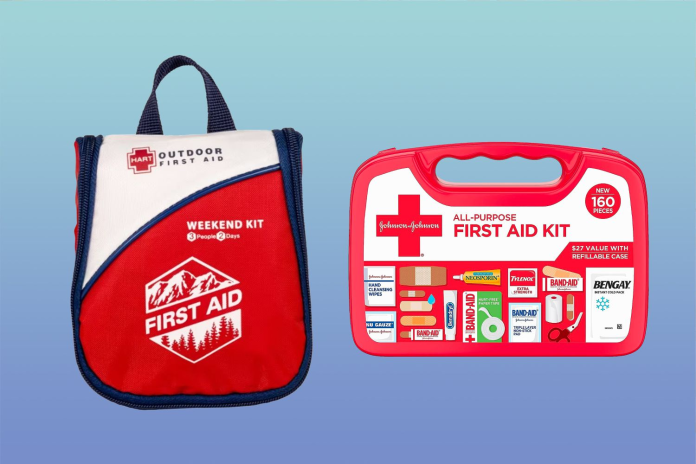
At a minimum, you must provide a suitably stocked first aid kit. For hospitality settings, consider kits that include items specific to common injuries in the industry, such as burns and cuts. The contents should align with the findings of your needs assessment
Additionally, ensure that first aid information is easily accessible to all employees. In larger establishments, a dedicated first aid room may be necessary.
Training and Record-Keeping
First aiders should undergo regular training to maintain their skills. While annual refresher courses aren’t mandatory, they are recommended. Keep records of all training and any incidents requiring first aid, as this documentation can be crucial for legal compliance and future assessments
Compliance and Best Practices
- Signage: Clearly mark first aid stations and kits with standardized signs.
- Accessibility: Ensure first aid equipment is easily accessible to all staff.
- Review: Regularly review and update your first aid needs assessment, especially after any significant changes in operations or after an incident.
For more detailed guidance, visit the HSE’s official page on first aid requirements: