

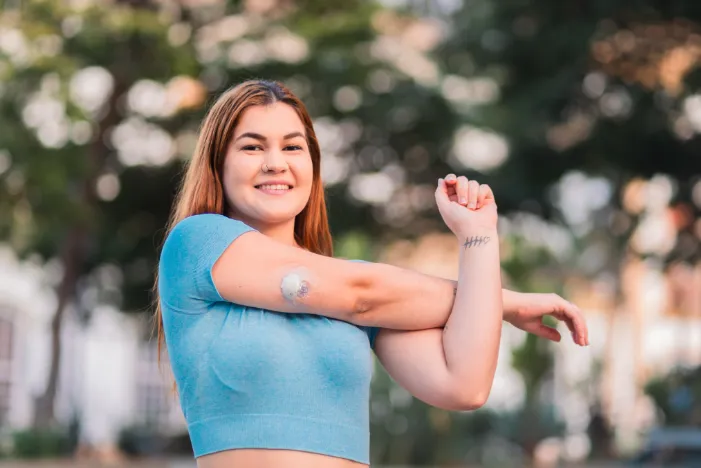
Why we do not need to learn everything on the first day
The bag of supplies may be small. The weight of what we need to learn can feel huge. We leave with new words, new tools, and questions we did not think to ask. What comes first? What can wait? How do we get through tonight without missing something that matters? After a type 1 diabetes diagnosis, we may feel pressure to become experts before we have caught our breath. But we learn care through practice, clear guidance, and help. We do not need to solve every future challenge today. We need to know which tasks keep us safe now and who can help when we feel unsure. That gives us a place to start without asking us to master it all at once.
Our first goal is a plan we can use, even when we feel tired or upset. Support designed around people who are newly diagnosed with type 1 diabetes can help us find clear guidance and feel less alone. This guide sorts the early learning into three parts: daily care, safety, and support. We will look at what to ask our care team, which supplies to keep close, and how to share the load. We will also make room for the feelings that come with such a big change. There is no prize for learning the fastest. Our aim is to build habits we understand and can repeat. With each step, we can spend less time guessing and more time getting on with the life we want to live.
How to turn your care instructions into daily habits
Start with the written plan your diabetes team gives you. Ask them to show each skill, then watch you try it. Keep notes in one place so you can find answers without searching.
1. Know what each insulin dose does
Type 1 diabetes damages the cells that make insulin, which helps your body use blood sugar. Insulin treatment replaces what your body cannot make in sufficient amounts. Ask which insulin you take, when to take it, and what to do about missed doses.
2. Practice checking your blood sugar
Learn how to use your meter and any prescribed continuous glucose monitor. Ask for your target range and clear steps for readings outside it. Keep a meter available even if you use a sensor, and learn when to double-check readings.
3. Learn food skills without food guilt
Ask a diabetes educator or dietitian to teach you how to count carbohydrates. Your care plan should explain how food, insulin, and activity work together. You do not need to ban all carbs, and eating sugar did not cause your type 1 diabetes.
What to have ready before a low or a sick day happens
Ask for separate written steps for low blood sugar and sick days. These need different responses, so keep both plans easy to find. A glucose reading below 70 mg/dL is generally considered low. If you can swallow safely, follow your plan for fast sugar and repeat checks. Ask how much to take, since young children may need smaller amounts.
Illness can raise blood sugar even when you eat less than usual. Do not stop insulin on your own because you are not eating. Ask when to check ketones, which can build up when insulin is too low. Vomiting, belly pain, deep breathing, or confusion may signal diabetic ketoacidosis, a medical emergency. Seek emergency care for these signs rather than waiting for a routine appointment.
-
Keep fast sugar, testing supplies, and emergency contact details within reach.
-
Have prescribed glucagon available, and teach someone how to give it.
-
For unconsciousness or unsafe swallowing, give nothing by mouth; use glucagon and call 911.
-
Keep ketone testing supplies and clear sick-day instructions with your diabetes kit.
Why asking for help belongs in your daily care plan
Daily care takes effort, and you should not have to carry it alone. Choose someone who can learn the basics alongside you, with your consent. Tell them what support feels useful and what feels like pressure. You may want help checking supplies, taking notes, or learning emergency steps. Clear roles give people a useful way to help without taking over.
Your care team also needs to hear about stress, cost, and sleep concerns. These details shape whether a plan works in your daily life. If you cannot afford insulin or supplies, contact the team before you run out. Ask for a diabetes educator and a mental health professional when needed. Peer support can offer comfort, but personal dose changes belong with your clinical team.
-
Save the daytime and after-hours numbers for your diabetes care team.
-
Bring a short list of questions to each follow-up visit.
-
Ask your school or workplace about access to care breaks and supplies.
-
Request another demonstration whenever a task still feels unclear or hard to repeat.
How we can make the next step feel less overwhelming
We can build confidence without expecting each day to go smoothly. Our first job is to understand the care tasks that keep us safe. From there, we can add skills, ask better questions, and adjust with our team. A glucose reading gives us information; it does not grade our effort.
Before today ends, let’s choose one useful action and complete it. We can confirm our next visit, organize our supplies, or ask someone to learn emergency care. If any part of our plan remains unclear, we can contact our diabetes team. We deserve answers we understand and support we can count on.