
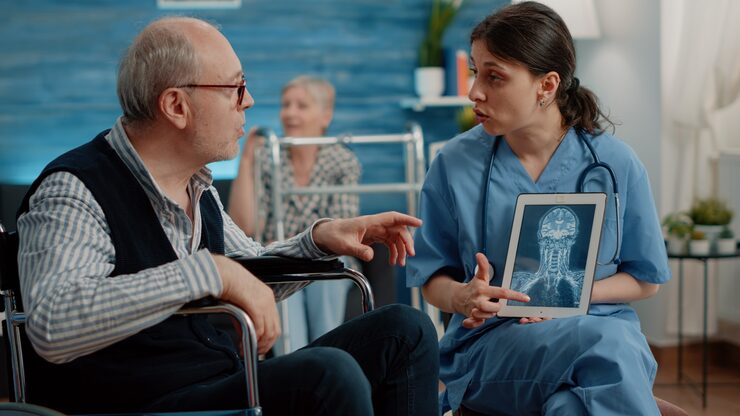
Stroke is a serious health condition that can affect anyone, at any age, and is one of the leading causes of disability in the UAE. Residents in Dubai and Abu Dhabi face growing stroke risks due to urban lifestyles, high stress, and chronic health conditions. Awareness, timely recognition, and proper treatment are key to preventing severe complications.
Hospitals like Cleveland Clinic Abu Dhabi provide specialized recognizing stroke signs UAE programs to help residents identify early symptoms and take immediate action.
What Is a Stroke?
A stroke occurs when blood flow to the brain is interrupted, depriving brain cells of oxygen and nutrients. This can result in brain damage or long-term disability. There are two primary types of strokes:
- Ischemic stroke – caused by a blockage or blood clot in an artery
- Hemorrhagic stroke – caused by a blood vessel rupture, leading to bleeding in the brain
Immediate medical intervention is essential, as brain cells begin to die within minutes. Dubai hospitals are equipped with advanced stroke units to handle emergencies effectively.
Identifying Early Symptoms
Recognizing the early warning signs of stroke can save lives. Residents in the UAE should be aware of:
- Sudden numbness or weakness in the face, arms, or legs
- Difficulty speaking or understanding others
- Confusion or difficulty with memory and thinking
- Loss of balance, dizziness, or trouble walking
- Severe headache with no known cause
- Vision problems, including blurred or double vision
The FAST acronym is an easy way to remember the critical signs:
- F – Face drooping
- A – Arm weakness
- S – Speech difficulty
- T – Time to seek emergency care
Immediate action and proper hospital care significantly improve recovery outcomes. Specialized units in Abu Dhabi provide rapid response and life-saving interventions.
Common Risk Factors in Dubai and Abu Dhabi
Stroke risk is often linked to lifestyle and health conditions. Key risk factors for residents include:
- High blood pressure
- Diabetes and high blood sugar levels
- High cholesterol
- Sedentary lifestyle
- Poor diet, rich in processed foods and salt
- Smoking or tobacco use
- Chronic stress and sleep deprivation
Education and proactive management of these risk factors are critical. Programs like stroke prevention and care Dubai guide residents in adopting healthier lifestyles and monitoring their health regularly.
The Role of Fitness in Stroke Prevention
Physical activity plays a central role in reducing stroke risk. Exercise improves circulation, lowers blood pressure, and helps maintain a healthy weight. Recommended activities for UAE residents include:
- Cardio exercises like jogging, brisk walking, or cycling
- Strength training for overall fitness
- Flexibility routines such as yoga and pilates
- Group classes or recreational sports for motivation
Even short daily sessions of 30–45 minutes significantly reduce stroke risk and support overall cardiovascular and brain health.
Nutrition and Healthy Eating
Diet is another cornerstone of stroke prevention. Proper nutrition helps control weight, blood pressure, and cholesterol. Dubai residents are encouraged to:
- Eat more fruits, vegetables, and whole grains
- Include lean proteins such as fish, chicken, or legumes
- Limit salt, sugar, and processed foods
- Stay well-hydrated throughout the day
Combining a balanced diet with regular exercise is one of the most effective ways to lower stroke risk.
Emergency Stroke Treatment in the UAE
Despite preventive measures, strokes can still occur. Rapid intervention is essential. Hospitals in Dubai and Abu Dhabi provide:
- Immediate brain imaging to identify stroke type
- Clot-dissolving medications for ischemic strokes
- Surgical intervention for hemorrhagic strokes
- Continuous monitoring in specialized stroke units
Prompt treatment reduces the likelihood of permanent damage and improves rehabilitation outcomes.
Rehabilitation and Post-Stroke Care
Stroke recovery often involves long-term rehabilitation. Residents may participate in:
- Physical therapy to rebuild strength and mobility
- Occupational therapy for daily living activities
- Speech therapy for communication difficulties
- Psychological counseling to address emotional challenges
Family involvement and support are crucial. Encouragement and participation in therapy enhance recovery and quality of life.
Managing Stress and Mental Health
Stress management is an important part of preventing stroke and aiding recovery. Dubai residents can benefit from:
- Mindfulness meditation and relaxation exercises
- Yoga or pilates
- Leisure activities, including walks in parks or beach areas
- Maintaining a balanced work-life routine
Incorporating stress management into daily life strengthens both mental and cardiovascular health.
Community Awareness and Education
Awareness campaigns play a key role in reducing stroke impact. Community workshops, seminars, and school programs educate residents on symptoms, prevention, and response strategies.
Institutions like Cleveland Clinic Abu Dhabi provide training and educational resources to help families and individuals act quickly in emergencies.
Technology and Stroke Management
Modern technologies support prevention, detection, and treatment:
- Wearable devices monitor heart rate and blood pressure
- Mobile apps provide symptom checklists and educational content
- Telemedicine allows quick access to stroke specialists
These tools help UAE residents stay informed, monitor their health, and respond rapidly during emergencies.
Conclusion
Stroke is a major health risk, but early recognition, prevention, and timely care can save lives. Dubai and Abu Dhabi residents should:
- Learn to identify stroke symptoms
- Adopt healthier lifestyles through exercise and nutrition
- Use available community resources and hospital programs
Medical institutions like Cleveland Clinic Abu Dhabi provide the guidance, expertise, and treatment facilities to ensure better outcomes for stroke patients across the UAE.